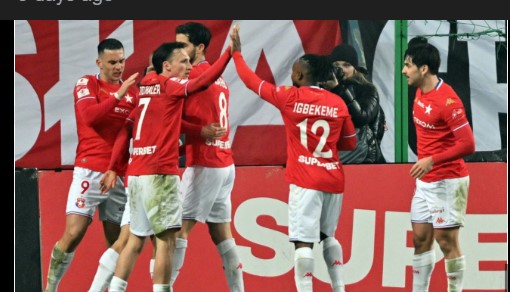
According to a report from Goal.pl journalist Piotr Koźmiński, Jagiellonia Białystok gave serious consideration to the possible signing of Ángel Rodado and came away with a favorable impression of what he could bring to the squad. However, despite the club’s positive internal evaluation, the potential move ultimately stalled and failed to move forward due to complications that arose during negotiations.
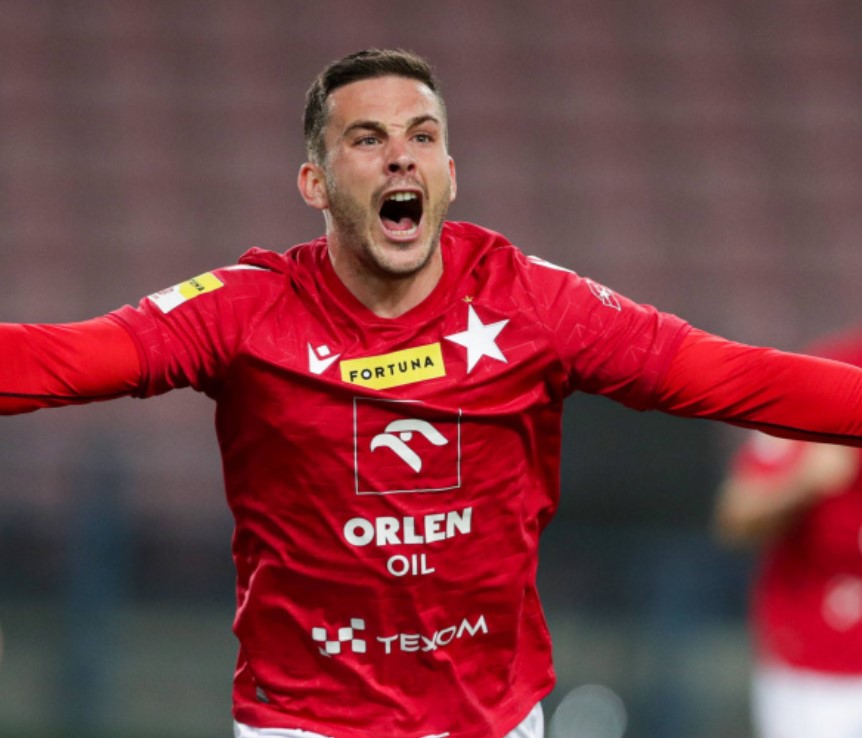
Koźmiński’s report indicates that Jagiellonia’s sporting department carefully analyzed Rodado’s profile and determined that the Spanish forward could be a valuable addition to the team. The club viewed him as a player whose skill set and experience might strengthen their attacking options. His qualities, including his movement in the final third and eye for goal, were reportedly appreciated by decision-makers within the organization.
Even with that encouraging assessment, the situation became more complex behind the scenes. Talks that initially appeared to be progressing encountered an unexpected hurdle when another agent became involved in the discussions. The introduction of a new intermediary reportedly disrupted the flow of negotiations, creating additional layers of communication and, potentially, differing expectations between the parties.
In modern football transfers, representation plays a crucial role. Agents are responsible not only for negotiating contract terms but also for coordinating communication between clubs and players. When multiple representatives or shifting intermediaries enter the picture, deals can quickly become more complicated. In this case, the change in representation appears to have altered the dynamic of the talks, making it difficult for Jagiellonia to continue discussions under the same framework as before.
While there was no indication that the club had cooled on Rodado from a sporting perspective, the procedural complications proved significant enough to halt progress. Transfers often depend on smooth collaboration among all sides—club, player, and agent—and even minor disruptions can derail a potential agreement. The situation highlights how off-field factors can influence recruitment decisions just as much as on-field considerations.
For Jagiellonia, the episode serves as a reminder of the delicate balance required during transfer negotiations. Clubs must not only evaluate talent but also navigate the complex network of contractual and representative relationships that shape modern football business. A player who fits perfectly from a tactical standpoint may still prove difficult to secure if negotiations become entangled in disputes or misaligned interests.
As for Rodado, the outcome leaves his future open to other possibilities. Although Jagiellonia saw potential value in bringing him to Białystok, the breakdown in talks means he could now explore alternative opportunities elsewhere. In the unpredictable world of transfers, circumstances can shift rapidly, and what seems like a promising deal one week can dissolve the next.
Ultimately, while the Polish side’s positive assessment of Rodado suggests genuine interest, the involvement of another agent created complications that prevented the move from advancing. It is yet another example of how delicate and multifaceted transfer negotiations can be, even when there is clear sporting alignment between player and club.
Leave a Reply