It’s difficult to define a “perfect” spring training, largely because very few teams come close to achieving one in reality. In theory, a perfect camp is one in which a team enters with several unanswered questions and exits with clear solutions to each of them. When that happens, a club is positioned well for the regular season. Ideally, front office leaders aim to resolve uncertainties as early and as specifically as possible. For the St. Louis Cardinals, this spring did not present an overwhelming number of urgent concerns, but a handful of important issues remained unresolved with Opening Day approaching. Some of those questions have been answered, while others still linger, leaving the organization searching for clarity.
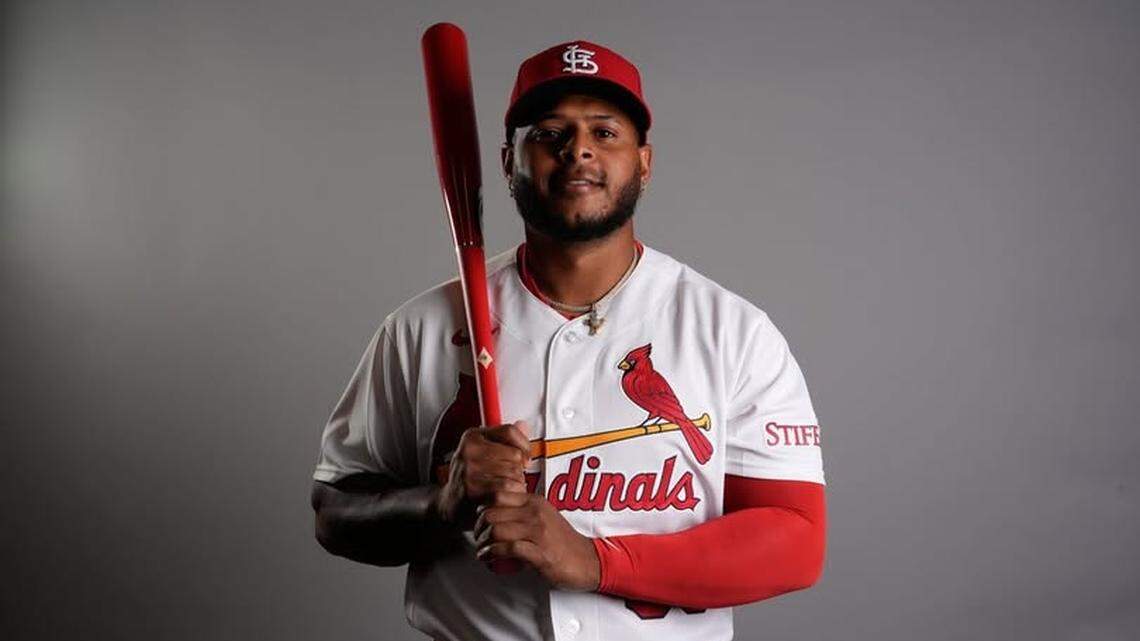
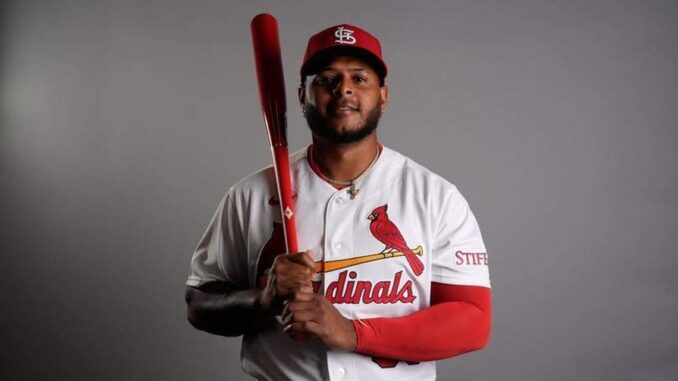
One of the biggest focal points is whether Jordan Walker can develop into the hitter his physical tools suggest. Walker, a young outfielder with significant upside, has shown flashes of potential but has struggled to consistently translate that into production during spring training. Early in camp, he faced live pitching sessions where he was outmatched by arms like Chen-Wei Lin, which can be somewhat expected given the natural timing advantage pitchers have early in the year. However, subsequent struggles against more established pitchers raised additional concerns. His performance dipped further after a brief pause in game action, and upon returning, he continued to struggle at the plate, producing limited offensive results with more strikeouts than hits. His spring numbers reflected those difficulties, with a low on-base and slugging output and minimal extra-base production. While the organization believes he does not benefit from extended time in Triple-A due to limitations in facing advanced pitching, they are committed to developing him at the major league level. Still, that opportunity is not unlimited, and the hope is that his performance improves once the regular season begins.
Another key question surrounds Iván Herrera and whether he can handle the demands of catching over a full season. Herrera has dealt with multiple injuries in recent years, including soft tissue issues and elbow surgery, which have limited his ability to stay consistently behind the plate. Although his bat has been productive enough to ease concerns offensively, durability remains a major factor. The Cardinals have expressed willingness to give him opportunities to catch, but his recent usage suggests caution. With other catchers receiving more consistent playing time, Herrera appears to be competing for a role rather than being firmly established as a primary option. While he will likely appear in games as a catcher, it remains uncertain whether he can sustain that workload long term.
The broader question facing the Cardinals is whether their roster—particularly a relatively young and evolving clubhouse—can remain competitive throughout the grind of a full season. The team lost several power hitters and did not replace them with proven external additions, relying instead on internal development and depth. With limited home run production last season and key departures from the lineup, the offense may again face challenges generating consistent power. Meanwhile, the starting rotation, which benefited from strong health in the previous year, may not be able to replicate that durability.
Ultimately, the Cardinals enter the season with optimism but also with uncertainty. Their ability to develop internal talent, stay healthy, and find consistent production across the roster will determine whether these lingering questions turn into strengths—or remain obstacles throughout the year.
Leave a Reply