
The Texas Rangers are beginning to face an uncomfortable reality during the 2026 season: Corey Seager is struggling in a way fans are not used to seeing. What once looked like a short slump is now becoming a legitimate concern for both the player and the organization as the season continues.
In baseball, determining when poor performance becomes a serious issue is never easy. Some people panic after a week, while others wait months before sounding the alarm. For a player with Seager’s résumé, most fans usually trust that things will eventually turn around. Throughout his career, he has consistently proven himself as one of baseball’s elite hitters, often bouncing back quickly whenever he endures a rough stretch.
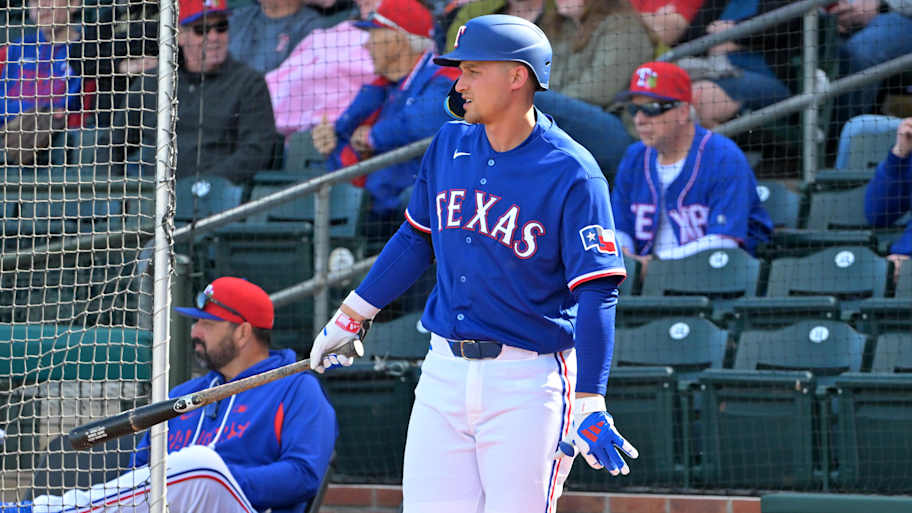
However, the first 39 games of the 2026 campaign have not resembled the version of Seager that Rangers fans have come to expect. The veteran shortstop has struggled offensively, posting a disappointing .193 batting average along with a .300 on-base percentage and a .379 slugging percentage. He has managed seven home runs and 19 RBIs, but overall his production has fallen well below his usual standards.
Perhaps the most alarming statistic is his OPS, which currently sits below .700 — an extremely rare sight for a player who has regularly been among the game’s most dangerous hitters. For a two-time World Series MVP and one of the centerpieces of the Rangers lineup, those numbers naturally raise questions about whether this slump is simply temporary or something more significant.
One of the biggest concerns surrounding Seager’s struggles has been his increase in swing-and-miss tendencies. His whiff rate currently stands at 35.5%, while he is striking out in 27.6% of his plate appearances. Both figures represent a noticeable jump compared to previous seasons.
In 2025, Seager recorded a 27.9% whiff rate and struck out 19.6% of the time. Looking back even further to his outstanding 2023 season, when he finished as World Series MVP and finished second behind Shohei Ohtani in the American League MVP race, Seager’s strikeout rate was only 16.4%, and his whiff percentage sat at a much lower 25%.
Those comparisons make it clear that something has changed in his offensive approach or timing at the plate. He is chasing more pitches outside the strike zone as well, currently swinging at pitches off the plate at a 28.8% rate. While that number is not catastrophic, it is still higher than what the Rangers would like to see from their star hitter.
Despite those troubling trends, there are still reasons for optimism. Several advanced metrics suggest Seager is still making quality contact when he does connect. His barrel percentage ranks among the best in Major League Baseball, sitting in the 93rd percentile among hitters. His hard-hit rate also remains strong, even if it is slightly below the elite levels he displayed in recent years.
Additionally, Seager continues to draw walks at a respectable rate, which shows he still possesses strong plate discipline and an understanding of the strike zone. Opposing pitchers also continue to pitch carefully around him, a sign that teams still respect the damage he can do.
For now, the Rangers are likely to trust Seager’s long history of success rather than panic over one difficult stretch. Still, the concern is understandable because Texas depends heavily on him to anchor the offense. The Rangers expect Seager to be one of the driving forces behind their lineup, and if he cannot eventually return to his superstar form, the team’s hopes of contending could become much more difficult.
Leave a Reply