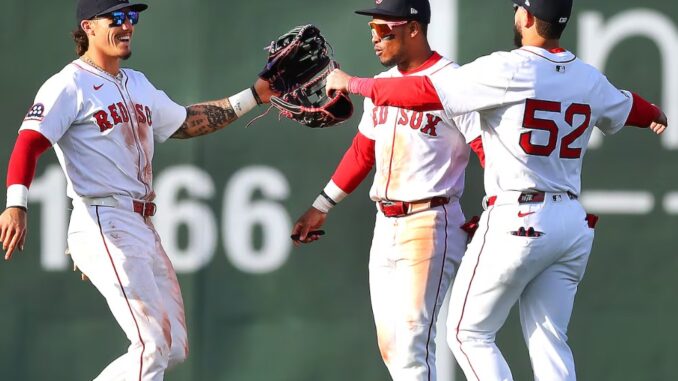
The Boston Red Sox continue to reshape their roster following a series of aggressive and, at times, controversial decisions, and the latest move sees Jordan Hicks traded to the Chicago White Sox. The deal further thins out the return Boston once received from the blockbuster Rafael Devers trade, a transaction that already looks increasingly short-lived in terms of long-term assets.
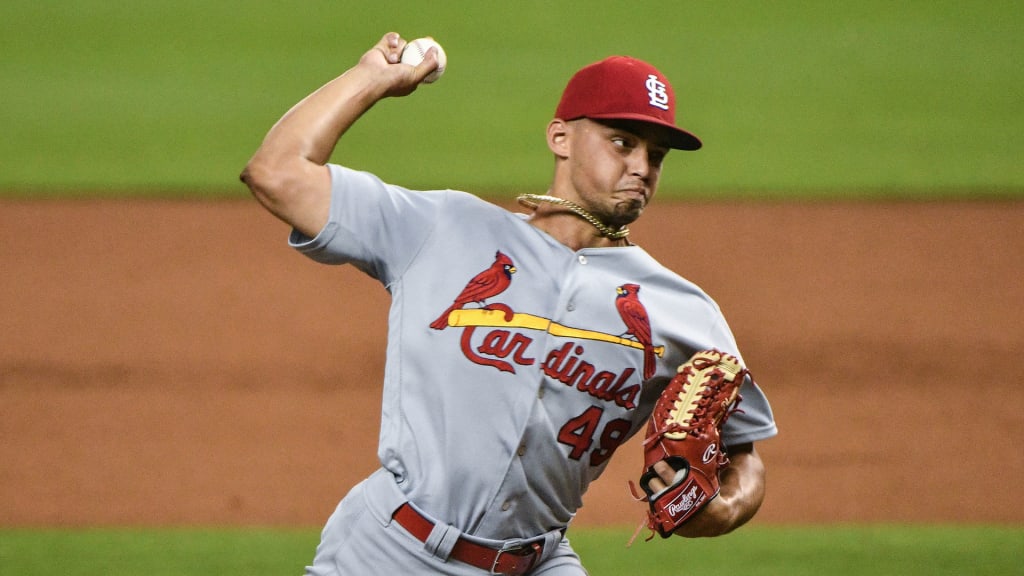
Devers was sent to the San Francisco Giants last year after tensions arose over his unwillingness to change positions, a standoff the Red Sox ultimately used as leverage to move his sizable contract. While the trade initially brought back four pieces, that group has quickly dwindled. James Tibbs III was later dealt for Dustin May, who only spent the 2025 season in Boston, and now Hicks has also been moved out. That leaves Kyle Harrison, who struggled to gain traction in 2025, and Jose Bello as the only remaining players from the original Devers return still in the organization.
Hicks’ exit comes as little surprise to those who followed the Red Sox closely. His time in Boston was marked by inconsistency and disappointing performances, frustrating fans and management alike. However, moving him was not simple, largely because of the financial commitment remaining on his contract. With two years left and $25 million still owed, the Red Sox had to pay a steep price to clear him off the books.
To complete the trade, Boston sent prospects David Sandlin and Tyler Duffey, along with two players to be named later, and agreed to cover $8 million of Hicks’ remaining salary. In return, the Red Sox received Gage Ziehl and a player to be named later—hardly an overwhelming haul considering the volume of assets and cash sent to Chicago. The imbalance underscores how motivated Boston was to move on from Hicks, even if it meant accepting limited value in return.
From the White Sox perspective, the deal is a calculated gamble. Chicago believes Hicks may benefit from a change of scenery and could rebound in a new environment. Despite his struggles in Boston, the White Sox see upside in his arm, and they’re hopeful he can become a productive piece of their pitching staff. Additionally, David Sandlin is viewed internally as a potential rotation option as soon as this summer, adding further appeal to the trade for Chicago.
Overall, the White Sox’ offseason has been quietly impressive, with a series of moves aimed at improving both short-term competitiveness and long-term depth. This trade fits that pattern, blending immediate pitching help with future upside.
For the Red Sox, the biggest impact of the move may be financial rather than on-field. By shedding Hicks’ contract, Boston has now dropped below the second luxury tax threshold, a development that represents a small victory for chief baseball officer Craig Breslow. Staying under that line provides flexibility and avoids harsher tax penalties.
That said, optimism about how those savings will be used should be tempered. While the extra financial breathing room is notable, there is little indication that the Red Sox plan to aggressively reinvest the money into major upgrades. For now, the move appears more about cost management than competitive ambition.
As Boston continues to unwind the aftermath of the Devers trade, the Hicks deal serves as another reminder of how quickly plans can change—and how costly it can be to correct course.
Leave a Reply